logo elektroda
logo elektroda
X
logo elektroda
Dostępna jest polska wersja

Czy wolisz polską wersję strony elektroda?

Nie, dziękuję Przekieruj mnie tam
LCR-T4 electronics components tester ATMega328 - Test and Review

TechEkspert 219066 650
ADVERTISEMENT
Treść została przetłumaczona polish » english Zobacz oryginalną wersję tematu
📢 Listen (AI):
  • #331 16723036
    E8600
    Level 41  
    rafcio_21 wrote:
    when we get a new softa
    What programmer is needed for this?
  • ADVERTISEMENT
  • #333 16723202
    E8600
    Level 41  
    rafcio_21 wrote:
    USB ISP
    Unfortunately I do not have but I have Arduino UNO and I guess it also can be done? I'm asking purely theoretically because I found something like that and I'm not strong in programmers. link
  • #334 16723222
    rafcio_21
    Level 29  
    Should give advice, I have not tested it myself. I do not have a programmer but I have a colleague at work who has and together we uploaded to his tester and mine.
  • ADVERTISEMENT
  • #335 16724283
    CMS
    VIP Meritorious for electroda.pl
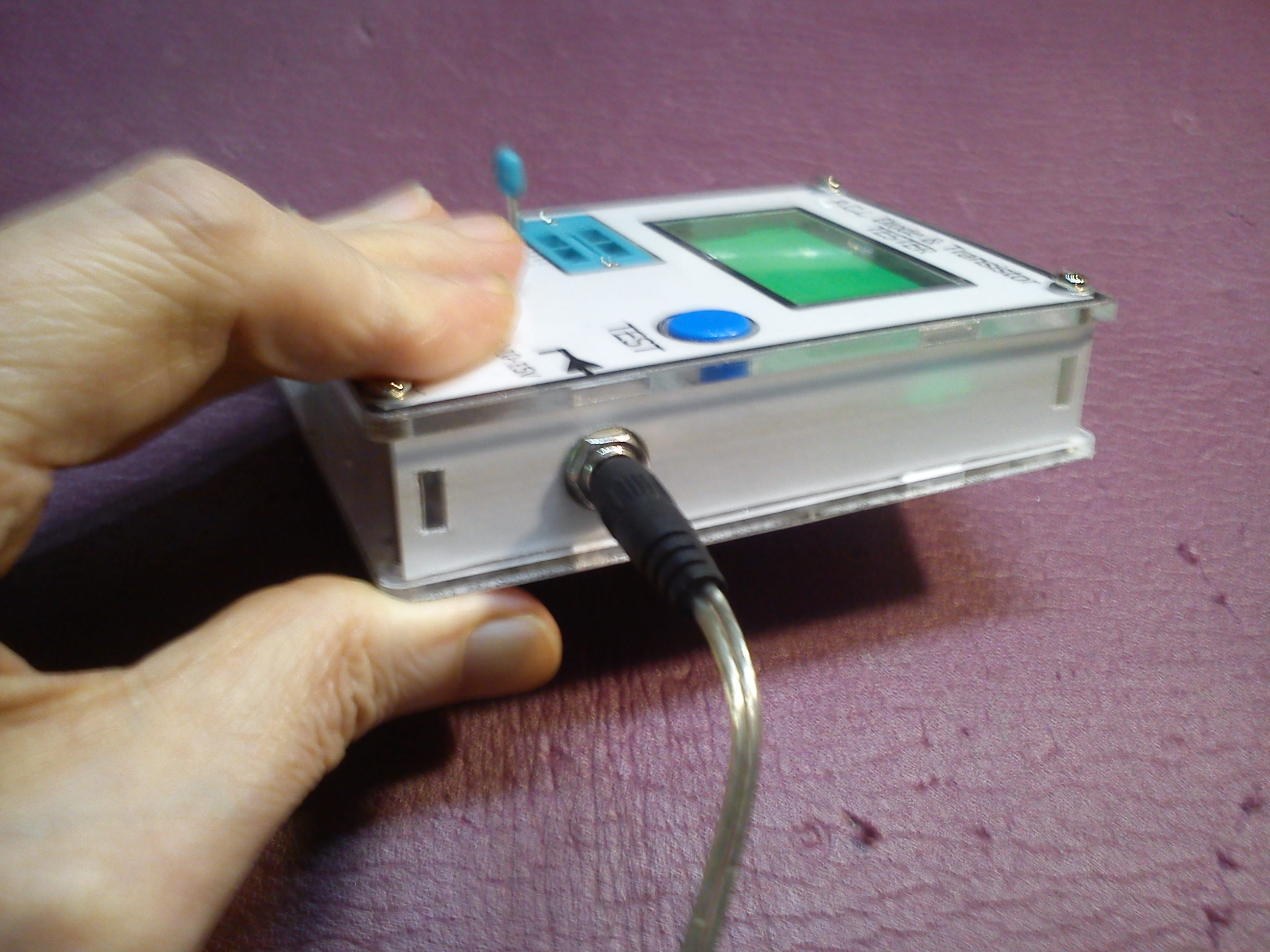
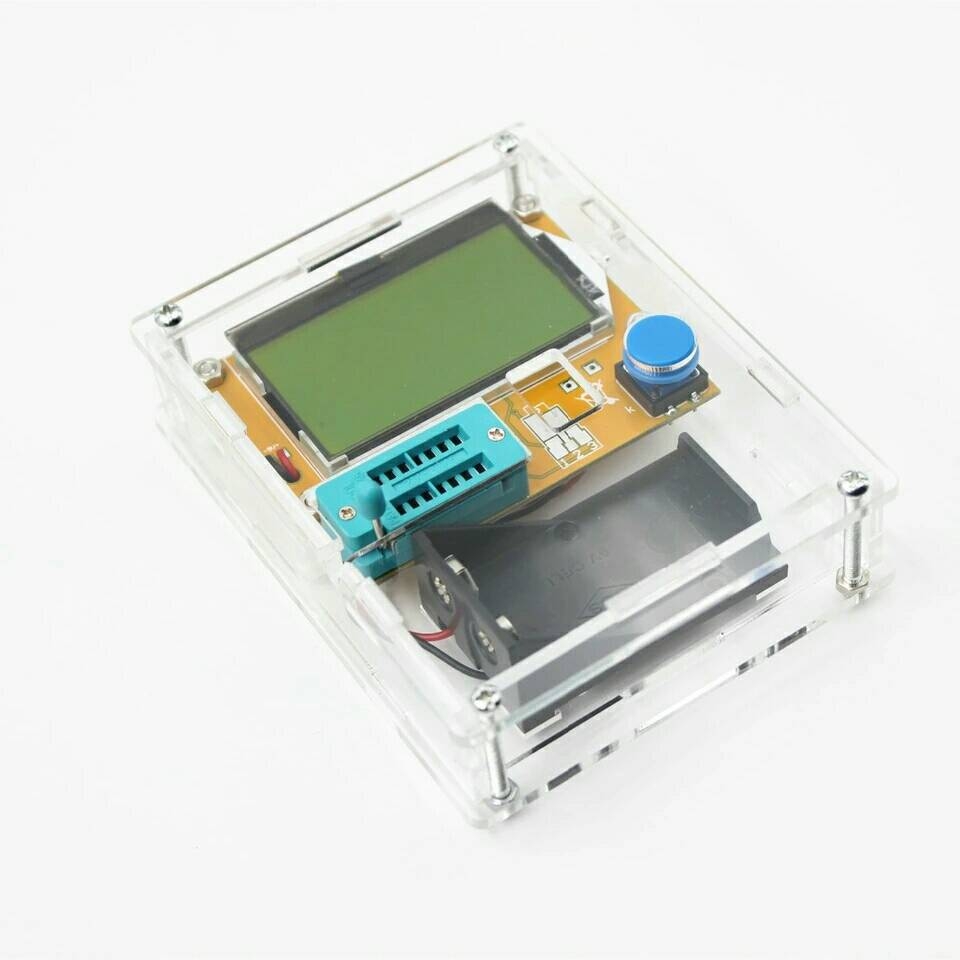
    Gentlemen, I bought a housing and I do not know if it is scrapped, or whether it should be. Are there any "corner cutouts" under the battery, and there are no "walls" and no battery in bulk?
  • #336 16724296
    Anonymous
    Level 1  
  • #337 16724328
    CMS
    VIP Meritorious for electroda.pl
    Are these cutouts made for cholera? I think it's better to get inside. It begs you to somehow stabilize this battery, because it will scratch everything from the inside.
  • #338 16724349
    DiZMar
    Level 43  
    I did not use any 9V battery only I put the box on two-sided tape with a 6V / 1.3Ah gel battery (recycled, new is not worth investing) which gives the supply voltage 6-6,8V which is enough for this tester, because it works properly even with a power supply below 6V. I obtained additional stability of the whole which in the performance only with the box at a slight deduction drops what is healthy is not. If it discharges below 6V which will occur earlier due to the storage time than due to the use of the tester (current consumed by the tester during the test is none for this battery), then connect under the 7V power supply for a few hours and again peace for many months.
  • #339 16724396
    Anonymous
    Anonymous  
  • #340 16724409
    DiZMar
    Level 43  
    CMS wrote:
    Are these cutouts made for cholera? ...
    The price of the cast mold in China depends only on the weight of the final element and not its shape. These few grams are a lighter element, although a more complicated form makes the form to it cheaper and there is still material saving on each piece. All the secret.
  • #341 16724435
    Anonymous
    Level 1  
  • ADVERTISEMENT
  • #342 16724440
    CMS
    VIP Meritorious for electroda.pl
    DiZMar wrote:
    The price of the form
    Only that it is laser cut :) . Consequently, additional holes = additional costs.
  • #343 16724476
    398216 Usunięty
    Level 43  
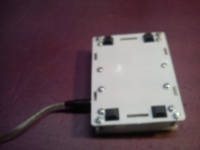
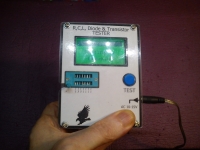
    It is very possible that this housing has and other uses. For some other tester model, for example. It does not bother me - the power supply from the external power supply inside only the 9V stabilizer. LCR-T4 electronics components tester ATMega328 - Test and Review LCR-T4 electronics components tester ATMega328 - Test and Review LCR-T4 electronics components tester ATMega328 - Test and Review
  • #344 16724535
    Slawek K.
    Level 35  
    These holes are under the so-called tricks, or bands to attach the battery ;) pozdr
  • ADVERTISEMENT
  • #346 16724682
    E8600
    Level 41  
    You have a hole solution. LCR-T4 electronics components tester ATMega328 - Test and Review So I will ask a registered letter will be sent by registered mail? Are the testers finally over? I ordered yesterday. :)
  • #347 16725378
    Anonymous
    Level 1  
  • #348 16725457
    logos2000
    Level 21  
    398216 Usunięty wrote:
    It is very possible that this housing has and other uses. For some other tester model, for example. It does not bother me - the power supply from the external power supply inside only the 9V stabilizer. LCR-T4 electronics components tester ATMega328 - Test and Review LCR-T4 electronics components tester ATMega328 - Test and Review LCR-T4 electronics components tester ATMega328 - Test and Review
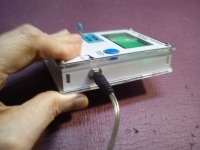
    Basically, this and built-in 7805 can cut down from 12v. If someone wanted to get rid of the power voltage display, the 10k resistor leading from transistor 9015 should be soldered out. The tester will then show the DC power supply.
  • #349 16725634
    398216 Usunięty
    Level 43  
    eurotips wrote:
    hole for these pads to check SMD components (between ZIF and button) is complete crap
    If he was taken by the author of the picture, I give my head that he never wondered how to take the SMD element out of the casing, otherwise it should be pressed with the finger in the right position on the pads - through the hole - unmanageable (I wrote several pages earlier that this casing prevents SMD measurements from being used with these pads.
  • #350 16726385
    Anonymous
    Level 1  
  • #351 16726521
    pawelr98
    Level 39  
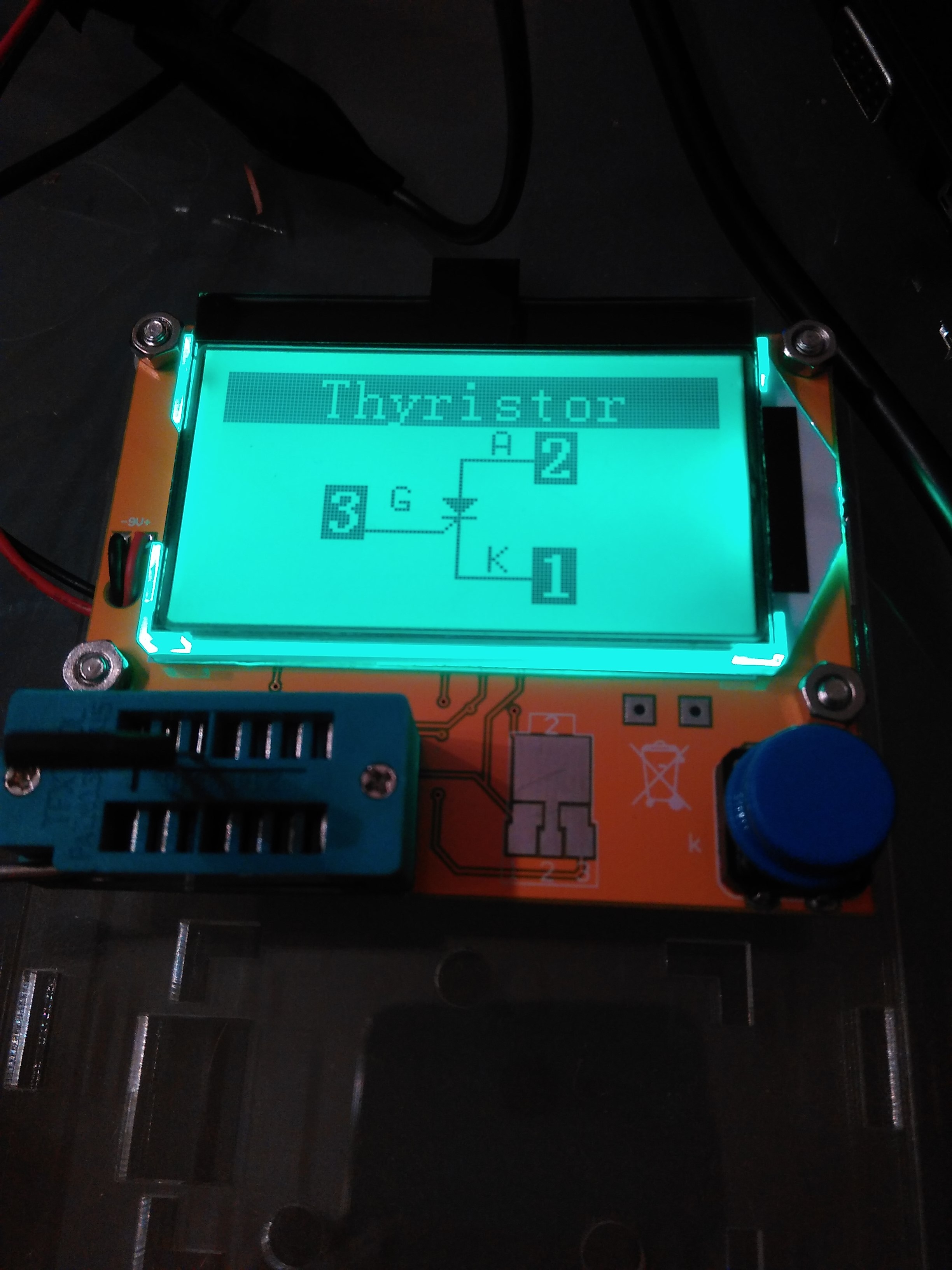
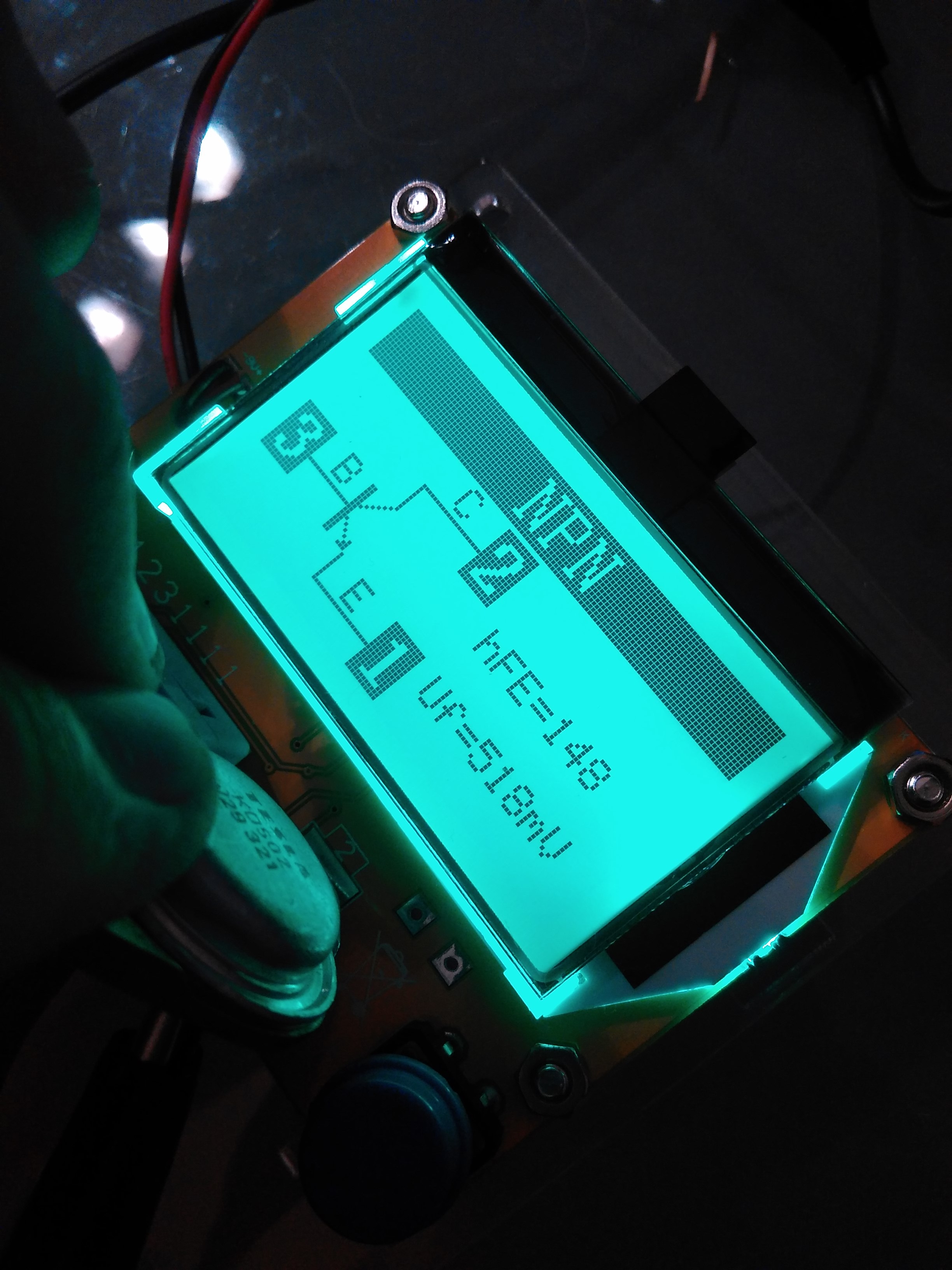
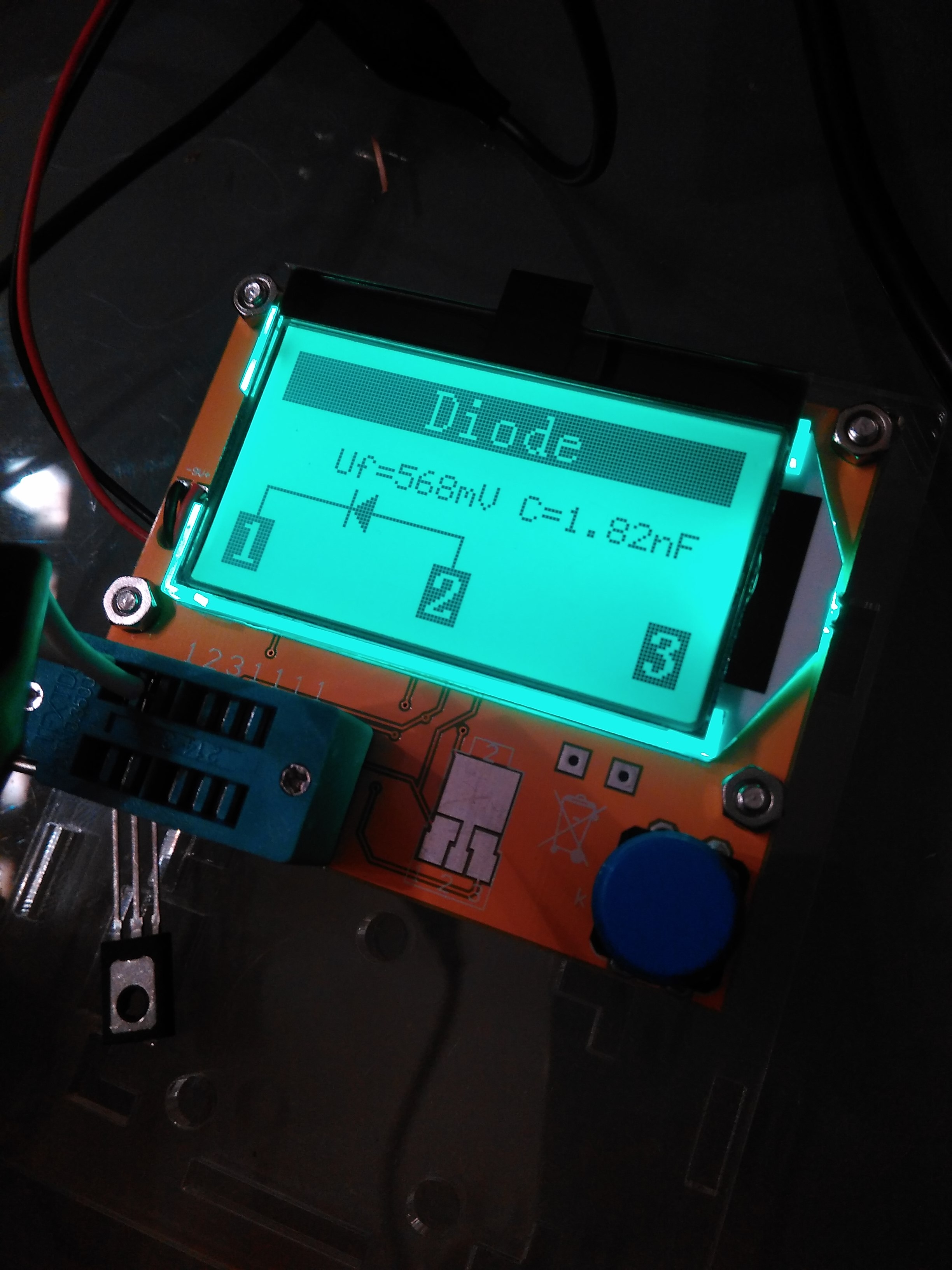
    C106 thyristor LCR-T4 electronics components tester ATMega328 - Test and Review TESLA KD502 LCR-T4 electronics components tester ATMega328 - Test and Review Base-Emiter connector LCR-T4 electronics components tester ATMega328 - Test and Review LCR-T4 electronics components tester ATMega328 - Test and Review And now the rarity or ?4?? P4BE. German power PNP transistor produced by the Soviet Union. It is a new transistor from 1965. LCR-T4 electronics components tester ATMega328 - Test and Review LCR-T4 electronics components tester ATMega328 - Test and Review
  • #352 16726943
    Anonymous
    Level 1  
  • #353 16727376
    vodiczka
    Level 43  
    Adamcyn wrote:
    It's just that they have definitely higher Hfe.
    These "hats" were characterized by a very low Hfe.
  • #354 16727587
    pawelr98
    Level 39  
    New in that it is unused. Zero currents are also probably quite big. I did not measure exactly but I remember that they were probably bigger than 1mA. I would have to measure. For this reason, the tester probably reports a low conduction voltage. I was powering my tester's board straight from my power supply to the multimeters. The board reports a voltage of 11.6V. The ribbon from the display actually looks delicate. I secured it with a piece of insulating tape. Along with the tester I got a screwdriver and the elektroda.pl sticker. It is a pity that the screwdriver does not have a smaller cross. The tips are smaller which would allow for a precise job. The fitting of the casing is also a bit average because it happens that the button does not reflect. I'm going to cut that buttonhole a bit and it'll be fine. I solder DC jack, I will make an alligator to connect large components and I will try to "produce" an SMD adapter. I have a piece of laminate somewhere, I do not have the chemistry to digest but I can still cut three separate pieces that will serve as contact areas.
  • #355 16733659
    CMS
    VIP Meritorious for electroda.pl
    I invested a little penny in basket and now it looks much better. I have a 3min walk from work there ... Because if I was to order a basket myself, I would rather let it go. :) The question is, are your sleeves too long and just press on the housing to run the tester? I have filed them by 0.5mm and are still a little too long, but this does not bother me anymore so that I would like to start all this again and saw for another 0.2mm. There is still the question of a mysterious square hole, on the long side opposite to ZIF's lever. Maybe, quite by accident, a connector for an external power supply fits there, with the option of disconnecting battery power after connecting it?
  • #357 16733729
    gumisie
    Level 43  
    CMS wrote:
    There is still the question of a mysterious square hole, on the long side opposite to ZIF's lever. Maybe, quite by accident, a connector for an external power supply fits there, with the option of disconnecting battery power after connecting it?
    Hello. You "combine" well. On the second day after receiving the tester, I inserted such a joint into this hole. Greetings.
  • #358 16733751
    CMS
    VIP Meritorious for electroda.pl
    I mean, this hole has factory destiny. I do not want to paste anything. If I'm right, I want to insert a dedicated connector.
  • #359 16733904
    PiotrPitucha
    Level 34  
    Hello, Bushes were too long, well I have a box of different distances.
  • #360 16733912
    gumisie
    Level 43  
    CMS wrote:
    I mean, this hole has factory destiny
    Probably anyway, but in this case, it would be better to ask such a question to the producer "factory".
    CMS wrote:
    I do not want to paste anything. If I'm right, I want to insert a dedicated connector.
    CMS wrote:
    Maybe, quite by accident, a connector for an external power supply fits there, with the option of disconnecting battery power after connecting it?
    Greetings.
📢 Listen (AI):

Topic summary

✨ The LCR-T4 electronics components tester based on the ATMega328 microcontroller is a versatile, low-power device powered by a 9V battery, drawing 12-15mA during measurement and 20nA in sleep mode. It automatically detects component types and lead configurations, measuring parameters such as resistance, capacitance (up to 47,000µF), inductance, diode voltage drop, transistor type and pinout, and ESR. Calibration involves shorting the test leads and using a known capacitor above 100nF. The tester supports testing of discrete components including resistors, capacitors, diodes, bipolar and field-effect transistors, and thyristors, though it struggles with integrated LM series voltage regulators due to their complex internal structures. Accuracy is generally sufficient for amateur and workshop use, with some noted measurement deviations, especially in low resistance and inductance readings. The device features a white LCD display, with some users comparing it to yellow LCD variants and color display models with built-in batteries. The ZIF socket is a known weak point, prone to contact issues and limited to thin leads; users recommend alternative housings and socket modifications for durability. The ribbon cable connecting the display is fragile and non-replaceable separately, requiring careful handling. The tester is available as a DIY kit with open-source firmware and as ready-made units, purchasable from Chinese suppliers and local Polish sellers, with prices around $30 or 25-40 PLN depending on housing and shipping. Shipping damage to displays has been reported due to insufficient packaging, prompting suggestions for improved protection. Firmware variations exist, affecting features like contrast adjustment and component recognition. The device is highly regarded for its ease of use, broad functionality, and value for money, making it a popular gadget among electronics hobbyists. Community discussions include suggestions for further development, housing designs, and integration of the elektroda.pl logo for uniqueness.
Generated by the language model.

FAQ

TL;DR: LCR-T4 auto-tests 14 part types, draws only 12-15 mA per measurement, and “will be useful in every workshop” [Elektroda, TechEkspert, post #16556695] Accuracy stays within ±2 % for most resistors. Firmware flashing adds live-scan mode and Zener tests. Why it matters: you get multimeter-level insight from a €10 gadget.

Quick Facts

• Supply: 9 V battery; 12-15 mA active, 20 nA sleep [Elektroda, 16556695] • R range: 0.1 Ω – 50 MΩ, C range: 25 pF – 100 000 µF, L range: 0.01 mH – 20 H [Elektroda, 16556695] • Typical accuracy: ±1 % R, ±3 % C, ±5 % L (user tests) [Elektroda, 16556695] • ESR read-out for electrolytics ≥1 µF [Elektroda, post #16556695] • Open-source firmware: AVR-based, 40 V boost for Zener mode [Elektroda, 16666684]
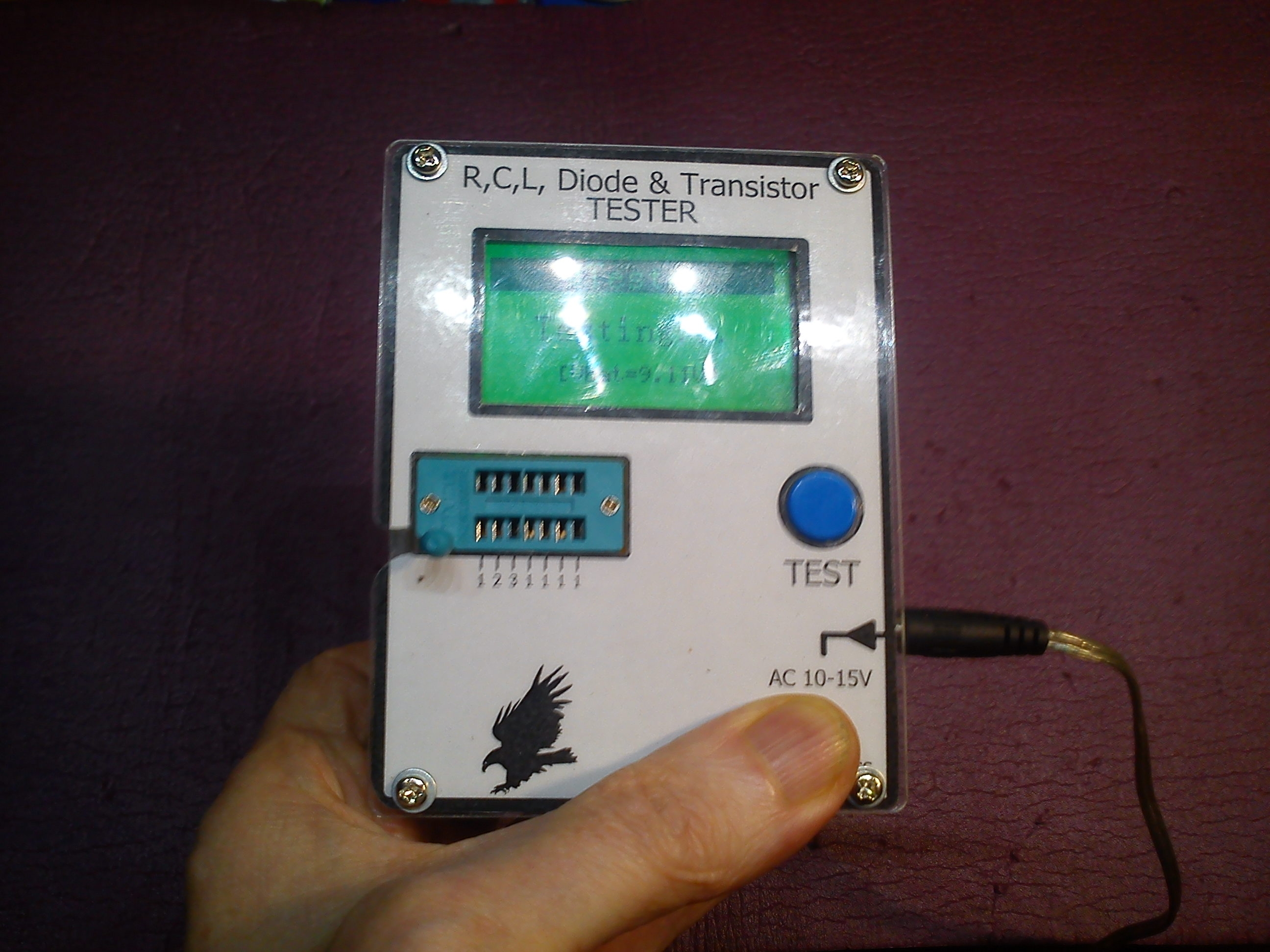
1. Which components does the LCR-T4 recognise?

It auto-detects resistors, capacitors, inductors, diodes (single & dual), LEDs, Zener diodes (≤30 V with updated firmware), BJTs, MOSFETs, JFETs, IGBTs (basic), thyristors, triacs, and voltage regulators [Elektroda, #16556695; #16666684].

2. How accurate are its measurements versus a quality multimeter?

User comparison showed 9.97 kΩ read as 10.18 kΩ (2 % high) and 100 µF read as 99.6 µF (0.4 % low) [Elektroda, 16556695] Inductance errors rise above 5 % near the 0.01 mH limit.

3. How do I calibrate the tester?

  1. Short pins 1-2-3 with low-resistance wire.
  2. Hold the single button until “Self-Test” appears.
  3. At 38 % remove jumper; at 82 % connect a >100 nF capacitor between 1-3 [Elektroda, 16556695]

4. What battery life can I expect?

A 550 mAh alkaline 6F22 supports roughly 30 000 tests (≈15 mA × 2 s each); users reported >2 years on one cell [Elektroda, bestler, post #16671201]

5. Why does my inductor show "resistor"?

The MCU flags coils below 0.01 mH or above 20 H as resistive. Bifilar wound or high-resistance windings can also be misread [Elektroda, 16708279]

6. Triac appears as NPN—faulty?

Not necessarily. High-gate-current triacs (e.g., KT207) may be detected as NPN when pin order flips. Confirm by testing both 180° rotations [Elektroda, 16585086]

7. What gains do I get from flashing new firmware?

Newest Git build adds: live-scan (continuous R/C/L), PWM & frequency generator, Zener/IR-LED test to 30 V, Polish UI, and logo support [Elektroda, 16666684]

8. How do I flash the AVR safely?

Use an ISP programmer, set fuses: LOW 0xE2, HIGH 0xD9, EXT 0xFC. Backup the factory hex first; then write the compiled .hex, verify, and power-cycle. Full guide in forum post #16666684.

9. Can I measure ESR in-circuit?

Yes for electrolytics ≥1 µF. Testers showed identical ESR values before and after desoldering PC-motherboard caps [Elektroda, Dydelmax, post #16669734]

10. What’s an edge-case the tester fails?

Charged capacitors can kill the input; one user cracked the LCD after a 50 V part was connected [Elektroda, 16579821] Always short large caps first.

11. How do I protect the ribbon display?

Stick 1 mm foam tape under the LCD and avoid flexing the gold ribbon. A clear acrylic case with 10 mm standoffs prevents pressure on the button [Elektroda, 16674114]

12. How do I assemble the acrylic enclosure?

Follow this 3-step: 1. Sandwich PCB between 10 mm spacers; 2. Insert LCD through front panel, secure with nuts; 3. Add rear plate and eight M3 screws [Elektroda, 16658664]

13. Why does the tester mis-show varicaps?

It measures junction capacitance at one bias only, so it logs them as ordinary diodes. A manual curve-tracer is needed for full C-V plots [Elektroda, 16689532]

14. Where can I buy or what’s the typical cost?

Ready-made LCR-T4 kits ship from AliExpress or eBay for €8–12; Polish stock adds ~40 % markup [Elektroda, 16567602] Shipping weight fits <2 cm letter rate.
Generated by the language model.
ADVERTISEMENT